A jump starter that won’t hold a charge is typically caused by battery aging, improper charging habits, or poor storage conditions. All batteries degrade over time, but using the manufacturer-recommended charger, avoiding deep discharges, and storing the unit in moderate temperatures (32–77°F or 0–25°C) can significantly extend its lifespan and ensure it’s ready for emergencies. This guide provides practical diagnostics and best practices to restore your jump starter’s functionality.
Understanding Why Your Jump Starter Loses Charge
A jump starter is designed to maintain a full charge over time, ready to deliver a powerful current to a dead battery. When it fails to hold a charge, it can manifest as quick self-discharge, reduced cranking power, or even physical signs like battery swelling. Several factors contribute to this frustrating issue, ranging from the inherent properties of batteries to how the device is used and stored.
Battery Aging and Chemistry
All batteries, whether lithium-ion (Li-ion), lithium iron phosphate (LiFePO4), or lead-acid, degrade over time and with repeated charge-discharge cycles. This natural aging process is arguably the most common reason a jump starter loses its ability to hold a charge. As the battery cells age, their internal capacity diminishes, leading to a quicker drop in the state of charge (SOC) and a reduced shelf life between charges. You might notice your unit, if several years old, simply doesn’t deliver the same punch it once did. LiFePO4 batteries generally offer a longer life and stable performance, but even these advanced chemistries are not immune to the effects of time. For shop curated automotive emergency on this site.
Improper Charging Habits
The way you charge your jump starter significantly impacts its battery health. Using an incompatible charger that doesn’t supply the correct voltage or current can lead to incomplete charging or even damage. Charging too slowly or in extremely hot environments can also negatively affect how well the jump starter retains its charge. Always use the manufacturer-recommended charger, especially for LiFePO4 jump starters, which require specific charging voltages and currents to prolong their lifespan.
Storage Issues and Parasitic Drain
Where and how you store your jump starter plays a critical role in its charge retention. Extreme temperatures, whether very hot or very cold, are detrimental to lithium-based batteries, accelerating degradation and self-discharge. Storing the unit in a hot trunk or a freezing garage can quickly diminish its effective capacity. Even when powered off, some jump starters can experience a “parasitic drain” if accessories like USB ports or LED indicators remain active or if cables are left connected. Disconnecting all accessories and storing the unit in a cool, dry place within the recommended temperature range (typically 32–77°F or 0–25°C) can significantly extend battery health.
Frequent Deep Discharges and Inactivity
|
Our Picks for the Best Jump Starter in 2026
As an Amazon Associate I earn from qualifying purchases.
|
||
| Num | Product | Action |
|---|---|---|
| 1 | NOCO Boost X GBX55: 1750A UltraSafe Jump Starter – 12V Lithium Battery Booster Pack, Portable Jump Box, Power Bank & Jumper Cables - for 7.5L Gas and 5.0L Diesel Engines |

|
| 2 | Roar Pedal Super Capacitor Jump Starter, No Need Pre-Charge No Battery 12V Portable Car Jump Starter for All 12V Gas and Diesel Car, Portable Jump Box with Display |
|
| 3 | ANCEL BS200 Super Starter - Permanent Connected Starting System with Super Capacitor, Car Battery Jump Booster & Health Monitor via App, -40℉~176℉ in-Cabin Jump Box for 3.0L Vehicles |
|
| 4 | KeenPower 6000A Super Capacitor Battery-Less Jump Starter, Built-in 6 * 3000F Supercapacitor, No Traditional Battery |
|
| 5 | NOCO Boost X GBX155: 4250A UltraSafe Jump Starter – 12V Lithium Battery Booster Pack, Portable Jump Box, Power Bank & Jumper Cables - for 10.0L Gas and 8.0L Diesel Engines |
|
| 6 | Portable Car Jump Starter with Air Compressor for Emergencies,3000A Peak and 150 PSI Max,for 12L Gas & 10L Diesel Engines,LCD Display,LED Light |
|
| 7 | Tire Inflator Portable Air Compressor, 12V Car Jump Starter, 150PSI & 28000mAh Air Pump with Air Blower, Digital Pressure Gauge and LED Light, Electric Air Pump for Car, Motorcycle, Balls, Bike Pump |
|
| 8 | Tire Inflator Portable Air Compressor & Car Jump Starter, Cordless Air Pump with LED Light & Pressure Gauge for Auto,Motorcycles,Bikes,Balls. |
|
| 9 | Tire Inflator Portable Air Compressor with Digitally Display Pressure Gauge 20000mA, Car Air Compressor Pump with Jump Starter 150PSI, 14.8 V Car Battery Jump Starter Portable |
|
| 10 | Jump Starter with Air Compressor, 6000A 150PSI Car Battery Jump Starter (10.0 Gas/8.0L Diesel) Battery Jumper Starter Portable 12V Jump Box with Jumper Cables, LED Light, LED Display |
|
Regularly draining your jump starter to near-empty (a deep discharge) puts undue stress on the battery, shortening its overall cycle life. While modern batteries are robust, consistently pushing them to their limits is not ideal. Conversely, prolonged periods of inactivity can also cause issues. If a jump starter sits idle for weeks or months without a maintenance charge, it can gradually self-discharge. Periodic, light charging helps preserve its readiness and battery health.
Electrical System Faults
Sometimes, the problem isn’t the battery itself but issues within the jump starter’s electrical system. Damaged or corroded cables, loose connections, or a faulty circuit board can prevent the device from charging properly or delivering power. Over time, moisture, dirt, and general wear can lead to corrosion on connectors, reducing conductivity. A blown fuse within the unit can also disrupt the charging process.
Safety Features
Jump starters are equipped with various safety features, such as overcharge protection, short-circuit protection, and reverse polarity protection. While these are crucial for safety, they can sometimes cause the unit to shut down or appear non-functional. If you’ve attempted to jump-start a severely dead battery for too long, or if there’s an incorrect connection, the overload protection might activate, temporarily disabling the device to prevent damage.
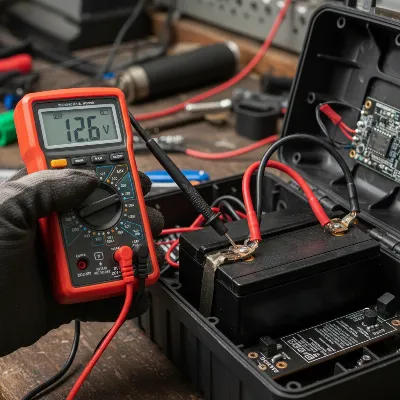 A hand holding a multimeter testing the voltage of a jump starter battery terminals.
Step-by-Step Troubleshooting for a Non-Charging Jump Starter
When your jump starter isn’t holding a charge, a systematic approach to troubleshooting can help you identify and resolve the issue.
-
Check the Charger and Power Source:
- Inspect the Charger: Examine the charger for any visible damage, such as frayed cables, bent pins, or loose connections. A damaged charger cannot properly deliver power.
- Try a Different Outlet/Charger: Plug the jump starter into a different power outlet to rule out issues with the original outlet. If possible, try a known-good, compatible charger to see if the problem persists. Some jump starters feature smart chargers that adjust current; ensure these are functioning correctly.
-
Inspect Cables, Clamps, and Connections:
- Visual Inspection: Look for any signs of damage on the jumper cables and clamps, including fraying, cracking, or exposed wires. Check for rust or corrosion on the metal surfaces of the clamps.
- Clean Connections: If you find corrosion on the clamps or battery terminals, clean them thoroughly with a wire brush or a battery terminal cleaner. Ensure all connections, both to your car battery and internally within the jump starter, are secure and tight. Loose connections reduce conductivity.
- Verify Proper Connection: When testing the jump starter, always ensure the red clamp connects to the positive (+) terminal and the black clamp to the negative (–) terminal or a clean ground point on the vehicle. Incorrect connections can trigger safety features and prevent operation.
-
Test Battery Voltage with a Multimeter:
- Measure Battery Voltage: Disconnect the jump starter from any power source and, if accessible, open the battery compartment. Use a multimeter to measure the voltage across the battery terminals.
- Interpret Readings: A voltage significantly lower than the rated voltage (e.g., much less than 12V for a 12V unit) suggests a severely discharged or failing battery. This is a strong indicator that the internal battery itself is the problem.
-
Assess Storage Environment and Habits:
- Temperature Check: If the jump starter was stored in extreme cold or heat, allow it to return to room temperature (e.g., 68-77°F or 20-25°C) before attempting to charge or use it. Extreme temperatures severely impact battery performance.
- Disconnect Accessories: Ensure no USB devices are drawing power and no indicator lights are inadvertently left on when the unit is stored. This prevents parasitic drain.
-
Look for Internal Damage (DIY vs. Professional):
- Battery Swelling/Heat: Inspect the internal battery for any signs of swelling, leaks, or excessive heat during charging. These are serious indicators of battery failure and potential safety risks. Discontinue use immediately if observed.
- Circuit Board/Fuse: If you have the technical knowledge and are comfortable, you can inspect the internal circuitry for a blown fuse or damaged components on the circuit board. However, if you are unsure, seeking professional assistance is safer to avoid further damage or injury.
-
Resetting Overload Protection:
- Some jump starters will temporarily disable output after a failed jump-start attempt or if overloaded. Turn the unit off, disconnect it completely, wait a few minutes, and then try again according to the manual’s instructions for resetting the device.
Reviving a Stubborn Jump Starter: Advanced Tips & Battery Replacement
If basic troubleshooting doesn’t resolve the issue, you might need to consider more advanced steps or even battery replacement.
Attempting a “Wake-Up Call” (for deeply discharged lead-acid)
For older lead-acid jump starters that are deeply discharged (meaning their voltage is too low for a standard charger to recognize), a temporary “wake-up” can sometimes work. This involves connecting the jump starter’s clamps to a known-good car battery for a short period (5-10 minutes) while the car is running. This might provide enough initial charge for the jump starter’s internal charger to kick in. Exercise extreme caution and ensure correct polarity to avoid damage or injury.
When to Consider Battery Replacement
The internal battery is often the first component to fail in a jump starter, especially after 3-5 years of use. If your multimeter readings consistently show low voltage, the battery exhibits physical damage like swelling or leakage, or it simply won’t hold a charge despite all other checks, it’s likely time for a replacement.
-
Identifying the Right Replacement Battery:
- Type: Determine if your jump starter uses a sealed lead-acid (SLA), Absorbed Glass Mat (AGM), lithium-ion, or LiFePO4 battery. Older units are typically SLA/AGM.
- Voltage and Amp-Hour (Ah): Match the voltage (e.g., 12V) and the Amp-hour (Ah) capacity precisely. The Ah rating indicates the battery’s energy storage.
- Physical Dimensions and Terminal Type: Ensure the new battery’s physical size fits the compartment and that the terminal type (e.g., nut & bolt, spade) matches the original. Refer to your jump starter’s manual or the existing battery for specifications.
-
DIY Replacement Steps (General Guidance):
- Safety First: Disconnect the jump starter from all power sources. Wear protective gloves and eyewear.
- Access Battery: Locate and carefully open the battery compartment, usually secured with screws.
- Disconnect Old Battery: Disconnect the wires from the old battery terminals (negative first, then positive).
- Remove Battery: Carefully remove the old battery. Note its orientation.
- Insert New Battery: Place the new battery into the compartment, ensuring it’s oriented correctly.
- Connect New Battery: Connect the positive (+) wire first, then the negative (–) wire.
- Secure & Charge: Close the compartment and fully charge the new battery using the manufacturer’s recommended charger.
- Recycle Old Battery: Dispose of the old battery responsibly at a local recycling center.
Professional Repair vs. Replacement Cost Analysis
For internal faults beyond a simple battery swap (e.g., circuit board issues), weigh the cost of professional repair against buying a new unit. Professional diagnostic and repair services can be costly, and sometimes a new, more advanced jump starter with a warranty offers better long-term value. Check if your unit is still under warranty before seeking third-party repair.
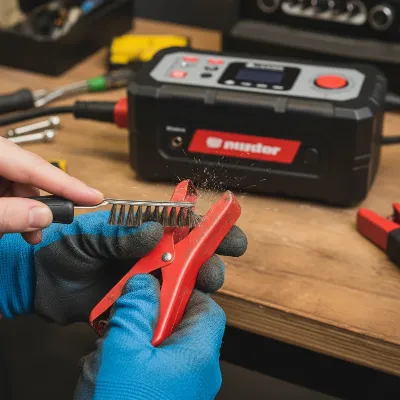 A person cleaning the clamps of a jump starter, emphasizing preventive maintenance.
Extending Your Jump Starter’s Lifespan: Best Practices
Preventative maintenance is key to ensuring your jump starter remains a dependable tool for years.
Optimal Charging Habits
- Follow Manufacturer Guidelines: Always use the charger specified by the manufacturer. Using incompatible chargers can damage the battery.
- Avoid Deep Discharges: Recharge your jump starter after each use, or when its state of charge drops to a moderate level (e.g., not below 50%). Avoid letting it sit depleted for extended periods.
- Regular Maintenance Charging: If you don’t use your jump starter frequently, perform a light maintenance charge every 1-3 months. This keeps the battery topped off and prevents self-discharge from rendering it unusable.
Ideal Storage Conditions
- Moderate Temperatures: Store your jump starter in a stable environment, ideally between 32–77°F (0–25°C). Avoid storing it in places exposed to extreme temperature fluctuations like a car trunk in summer or an unheated garage in winter.
- Disconnect Accessories: Ensure all USB devices are unplugged and indicator lights are off during storage to prevent parasitic drain.
- Clean and Dry: Keep the jump starter clean and dry. Wipe down the exterior with a damp cloth to remove dust and debris. Avoid moisture exposure, as this can lead to corrosion and internal damage.
Regular Maintenance Checks
- Inspect Cables and Clamps: Before each use and periodically during storage, inspect the cables and clamps for any signs of damage, fraying, or corrosion. Clean any rust or grime from the clamps to ensure a solid electrical connection.
- Monitor Battery Indicators: Pay attention to any battery level indicators or error codes the jump starter might display. These can provide early warnings of potential issues.
“A jump starter is an investment in your safety and peace of mind. Treating it with regular care, like any other vital tool, ensures it’s ready for those unexpected moments when you need it most.” – Sarah Chen, Automotive Electronics Specialist
Jump Starter Charging Issues – Common Questions
Why does my new jump starter still not hold a charge?
Even new jump starters can experience issues. The most common reasons include a faulty unit from the factory, improper initial charging (not fully charging before first use), or using an incompatible charger. Ensure you’ve followed the manufacturer’s initial charging instructions meticulously. If the problem persists, it’s best to contact the retailer or manufacturer for a warranty claim or replacement.
Can I use a car battery charger to charge my jump starter?
Generally, no. A car battery charger is designed for vehicle batteries and may not have the correct voltage or amperage profile for your jump starter’s internal battery. Using an incompatible charger can damage your jump starter’s battery and potentially void its warranty. Always use the charger specifically provided or recommended by the jump starter’s manufacturer.
How often should I charge my jump starter if I don’t use it?
For optimal battery health, most manufacturers recommend charging your jump starter every 1-3 months, even if it hasn’t been used. This prevents gradual self-discharge and keeps the battery conditioned, ensuring it’s ready for emergencies. Always refer to your specific model’s user manual for precise charging recommendations.
Is it worth replacing the battery in an old jump starter?
It often depends on the cost of the replacement battery versus a new unit, and the overall condition of the jump starter. For older, well-built lead-acid models, a replacement battery can be a cost-effective solution, costing significantly less than a new device. For newer, more integrated lithium-ion units, battery replacement might be more complex or not feasible, making a new purchase more practical.
What are the signs of a completely dead jump starter battery?
Signs of a completely dead jump starter battery include: the unit not turning on at all, showing no charging indicator lights, failing to hold any charge after being plugged in for an extended period, or having a multimeter reading of zero or extremely low voltage. Physical signs like a swollen battery casing or excessive heat during charging also indicate a severely damaged or dead battery.
Conclusion
A jump starter that won’t hold a charge can quickly turn a minor inconvenience into a major roadside headache. By understanding the common causes—from battery aging and improper charging to storage conditions and electrical faults—you can effectively troubleshoot and often resolve these issues yourself. Regular maintenance, including proper charging habits, ideal storage, and routine inspections, is paramount to extending your jump starter’s lifespan and ensuring its reliability.
Don’t let a failing jump starter catch you off guard. Take the time to diagnose and address any charging problems promptly. What steps will you take today to ensure your jump starter is always ready when you need it most?
Frequently Asked Questions
Why does my new jump starter still not hold a charge?
Even new jump starters can have issues due to a factory fault, improper initial charging, or using an incompatible charger. Always follow the manufacturer's initial charging instructions meticulously. If problems persist, contact the retailer or manufacturer for a warranty claim or replacement.
Can I use a car battery charger to charge my jump starter?
No, generally you should not use a car battery charger for your jump starter. Car battery chargers are designed for vehicle batteries and may not provide the correct voltage or amperage profile. Using an incompatible charger can damage your jump starter's internal battery and potentially void its warranty.
How often should I charge my jump starter if I don't use it?
For optimal battery health, most manufacturers recommend charging your jump starter every 1-3 months, even with infrequent use. This prevents gradual self-discharge and keeps the battery conditioned, ensuring it's ready for emergencies. Always refer to your specific model's user manual for precise recommendations.
Is it worth replacing the battery in an old jump starter?
Replacing the battery in an old jump starter can be cost-effective, especially for well-built lead-acid models where a new battery costs significantly less than a new unit. For newer, integrated lithium-ion units, replacement might be more complex or not feasible, making a new purchase more practical. Consider the overall condition and age of the device.
What are the signs of a completely dead jump starter battery?
Signs of a completely dead jump starter battery include the unit not turning on, no charging indicator lights, failure to hold any charge after extended plugging in, or a multimeter reading of zero or extremely low voltage. Physical signs like a swollen battery casing or excessive heat during charging also indicate severe damage.
Troubleshoot a Jump Starter That Won't Hold a Charge
Follow these steps to diagnose and fix common issues preventing your jump starter from holding a charge, ensuring it's ready when you need it.
Inspect your jump starter's charger for visible damage like frayed cables or bent pins. Try plugging the unit into a different power outlet or using a known-good, compatible charger to rule out issues with the power source or charger itself.
Visually check the jumper cables and clamps for damage, fraying, or corrosion. Clean any rust or grime from the clamps with a wire brush to ensure optimal conductivity. Verify that all connections, both external and internal, are secure and tight.
Disconnect the jump starter from power and, if accessible, measure the voltage across its battery terminals using a multimeter. A reading significantly lower than the rated voltage (e.g., much less than 12V for a 12V unit) indicates a severely discharged or failing internal battery.
Ensure the jump starter is stored in a moderate temperature range, ideally 32u201377u00b0F (0u201325u00b0C), to prevent battery degradation from extreme heat or cold. Disconnect any accessories like USB devices to prevent parasitic drain during storage.
Inspect the internal battery for signs of swelling, leaks, or excessive heat during charging, which are serious indicators of failure. If you have technical knowledge, check for a blown fuse or damaged circuit board; otherwise, seek professional assistance to avoid further damage or injury.

This was super helpful! I always just tossed my jump starter in the garage, but the part about storing it in moderate temperatures really resonated. My garage gets super cold in winter and hot in summer. I’ve moved it inside, and I’m hoping that helps extend its life. It’s a critical tool for my older truck.
I’ve had my jump starter for years and it started losing charge way too fast. I followed the advice here about using the manufacturer-recommended charger and it made a huge difference. It’s holding a charge much better now, which is a relief since I travel a lot for work. Great tips for keeping it ready for emergencies.
I was about to buy a new jump starter because mine wouldn’t hold a charge for more than a few days. The diagnostics here helped me realize it wasn’t completely dead, just needed some TLC. I focused on the charging habits section and it’s back to normal. Saved me a lot of money!
My jump starter has been acting up, and I thought it was just old. The guide mentioned avoiding deep discharges, which I’m definitely guilty of. I wish I’d known that sooner, as I think I might have damaged the battery already. Still, good to know for future units, but it didn’t quite fix my current one.