Choosing between a lithium-ion and a lead-acid jump starter depends on specific needs, but for most drivers, lithium-ion jump starters are superior due to their portability, longer charge retention, and advanced safety features. Lithium units typically weigh 1-2 kg and hold a charge for 6-12 months, while lead-acid models can weigh 5-15 kg and require recharging every 1-3 months. Both types provide the necessary power to start a dead vehicle battery, offering independence from other vehicles or roadside assistance.
Jump Starters: Your Essential Vehicle Starting Solution
A jump starter is a portable battery device designed to deliver a surge of power to a discharged vehicle battery, enabling the engine to crank and start. Unlike traditional jumper cables that require a second running vehicle, these compact units contain their own power source. They are an indispensable tool for any driver, offering independence and immediate assistance in unexpected battery failures. On the market today, the two main types of jump starters you’ll encounter are those powered by advanced lithium-ion batteries and those utilizing conventional lead-acid technology.
Decoding the Differences: Lithium vs. Lead-Acid Jump Starters
The choice between a lithium-ion and a lead-acid jump starter fundamentally comes down to a trade-off between portability, advanced features, raw power delivery, and cost. Each technology brings its own set of characteristics that cater to different user priorities and vehicle requirements.
Size, Weight, and Portability
When it comes to physical attributes, lithium-ion jump starters are the undisputed champions of portability. They are significantly smaller and lighter than their lead-acid counterparts, often fitting comfortably in a glove box, center console, or even a backpack. This makes them incredibly convenient for daily drivers, commuters, and anyone prioritizing ease of storage and transport. In stark contrast, lead-acid jump starters are typically much heavier and bulkier, often weighing between 5 to 15 kilograms. Their substantial size usually relegates them to trunk storage or garage use.
Power Output and Efficiency
Modern lithium-ion jump starters boast impressive power-to-weight ratios, offering substantial cranking power in a compact package. They deliver a strong, quick burst of current, which is sufficient to start most petrol and diesel engines, including many larger trucks and SUVs. Lithium-ion units are also highly efficient, typically converting at least 95% of their stored energy into usable power, leading to faster charging and more effective jumps. Lead-acid jump starters, while heavier, have historically been known for their raw power and ability to maintain high current for longer periods. This sustained output can be particularly useful for very large diesel engines or situations requiring multiple jump attempts. However, their efficiency is generally lower, around 80-85%.
Charge Retention and Lifespan
|
Our Picks for the Best Jump Starter in 2026
As an Amazon Associate I earn from qualifying purchases.
|
||
| Num | Product | Action |
|---|---|---|
| 1 | ANCEL BS200 Super Starter - Permanent Connected Starting System with Super Capacitor, Car Battery Jump Booster & Health Monitor via App, -40℉~176℉ in-Cabin Jump Box for 3.0L Vehicles |

|
| 2 | Portable Car Jump Starter with Air Compressor for Emergencies,3000A Peak and 150 PSI Max,for 12L Gas & 10L Diesel Engines,LCD Display,LED Light |
|
| 3 | Jump Starter with Air Compressor, 6000A 150PSI Car Battery Jump Starter (10.0 Gas/8.0L Diesel) Battery Jumper Starter Portable 12V Jump Box with Jumper Cables, LED Light, LED Display |
|
| 4 | Tire Inflator Portable Air Compressor with Digitally Display Pressure Gauge 20000mA, Car Air Compressor Pump with Jump Starter 150PSI, 14.8 V Car Battery Jump Starter Portable |
|
| 5 | Tire Inflator Portable Air Compressor, 12V Car Jump Starter, 150PSI & 28000mAh Air Pump with Air Blower, Digital Pressure Gauge and LED Light, Electric Air Pump for Car, Motorcycle, Balls, Bike Pump |
|
| 6 | NOCO Boost X GBX155: 4250A UltraSafe Jump Starter – 12V Lithium Battery Booster Pack, Portable Jump Box, Power Bank & Jumper Cables - for 10.0L Gas and 8.0L Diesel Engines |
|
| 7 | Roar Pedal Super Capacitor Jump Starter, No Need Pre-Charge No Battery 12V Portable Car Jump Starter for All 12V Gas and Diesel Car, Portable Jump Box with Display |
|
| 8 | NOCO Boost X GBX55: 1750A UltraSafe Jump Starter – 12V Lithium Battery Booster Pack, Portable Jump Box, Power Bank & Jumper Cables - for 7.5L Gas and 5.0L Diesel Engines |
|
| 9 | KeenPower 6000A Super Capacitor Battery-Less Jump Starter, Built-in 6 * 3000F Supercapacitor, No Traditional Battery |
|
| 10 | Tire Inflator Portable Air Compressor & Car Jump Starter, Cordless Air Pump with LED Light & Pressure Gauge for Auto,Motorcycles,Bikes,Balls. |
|
One of the significant advantages of lithium-ion jump starters is their superior charge retention. A quality lithium unit can hold its charge for 6 to 12 months when stored properly, making them ideal for emergency use where you might not need it frequently. They also tend to have a longer overall lifespan, offering more charge and discharge cycles and often lasting 5 years or more. Lead-acid batteries, by nature, self-discharge much faster. Even a new lead-acid jump starter can lose significant charge within 1 to 3 months, especially in warmer conditions. This necessitates more frequent recharging, even if the unit hasn’t been used, and they generally have a shorter cycle life, fading after 2-3 years.
Cold Weather Performance
Cold weather presents a challenge for all batteries, and jump starters are no exception. While advancements have been made, the performance of lithium-ion jump starters can be reduced below 0°C (32°F). If you regularly operate in extremely cold climates, this is a factor to consider. Traditional lead-acid jump starters have a reputation for performing better in extreme cold, maintaining their cranking current more effectively in frigid temperatures.
Safety and Maintenance
Lithium-ion jump starters typically come equipped with advanced safety features as standard. These include protections against reverse polarity, short-circuiting, overcharging, and overheating, which help prevent damage to both the device and your vehicle. In terms of maintenance, lithium-ion units generally require less hands-on care. Lead-acid jump starters, however, tend to demand more attention. They are prone to losing capacity if left discharged for extended periods and require regular recharging to prolong their lifespan and ensure they are ready when needed.
Cost Considerations
Generally, lithium-ion jump starters come with a higher upfront cost, typically ranging from $100 to $400, reflecting their advanced technology and compact design. Lead-acid jump starters, while heavier and less portable, offer a more budget-friendly entry point, often available for $50 to $200. The initial investment should be weighed against the long-term benefits of portability, longevity, and reduced maintenance.
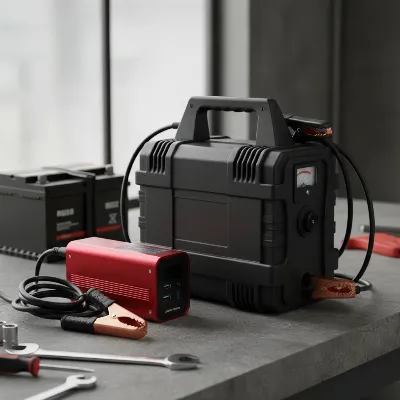 A side-by-side view of a compact lithium jump starter and a larger lead-acid jump starter.
Choosing the Right Jump Starter for Your Needs
Selecting the ideal jump starter isn’t a one-size-fits-all decision; it requires matching the device’s capabilities with your specific vehicle, climate, and usage patterns.
Capacity and Cranking Current (Peak Amps, CA, CCA)
Understanding the power ratings is crucial. Jump starters are typically rated by Peak Amps, which indicates the maximum instantaneous current they can deliver. More practical metrics for real-world performance are Cranking Amps (CA), measuring sustained power at 0°C (32°F), and Cold Cranking Amps (CCA), specifically for -18°C (0°F).
Here are general guidelines for choosing the right amperage:
- Small Cars (1.0L–2.0L Petrol): 800-1200 Peak Amps is usually sufficient.
- Sedans/SUVs (2.0L–3.0L Petrol): Look for 1200-2000 Peak Amps.
- Trucks/Large SUVs (3.0L–5.0L Petrol): 2000-3000 Peak Amps offers a good margin.
- Diesel Engines (Any size): Diesel engines require significantly more power due to higher compression. Opt for 2000+ Peak Amps, with 3000A or more recommended for larger diesels.
Battery capacity, often measured in milliamp-hours (mAh) or watt-hours (Wh), indicates how much energy is stored for multiple jump starts or charging other devices. A higher mAh or Wh means more endurance between recharges.
Battery Type: Deciding Your Best Fit
Given the comparison, lithium-ion jump starters are generally better for most casual drivers due to their superior portability, longer charge retention, and built-in safety features. They are perfect for emergencies in daily drivers or smaller to medium-sized vehicles. Lead-acid jump starters might still be considered for budget-conscious buyers, heavy-duty workshop environments where portability isn’t a primary concern, or in regions experiencing consistently extreme cold where their sustained output can be an advantage.
Essential Additional Features
Beyond core starting power, many modern jump starters offer valuable supplementary features:
- USB Charging Ports: Essential for charging smartphones, tablets, and other electronic devices, turning your jump starter into a versatile power bank.
- LED Flashlight: A built-in light is crucial for nighttime emergencies, often including SOS or strobe functions.
- Air Compressor: Some models integrate an air compressor, allowing you to inflate tires, sports equipment, or other inflatables, adding another layer of roadside utility.
- Advanced Safety Protections: Features like spark-proof clamps, reverse polarity protection, and overcharge protection are vital for safe and foolproof operation.
Reputable Brands and Pricing
The market features several trusted brands known for reliable jump starters, including NOCO, GOOLOO, Clore Automotive, Sharmeal, and Avapow. While pricing varies by brand, power, and features, expect to pay anywhere from $50 for basic lead-acid models to $400 or more for premium, high-capacity lithium-ion units with multiple features. Investing in a reputable brand often translates to better quality, reliability, and safety.
Safe and Effective Jump Starter Usage Guide
Using a jump starter correctly is crucial for both your safety and the longevity of the device and your vehicle.
Steps for Safe and Effective Usage:
- Preparation: Ensure both the vehicle’s ignition and all electrical accessories (lights, radio, AC) are switched off.
- Connect Positive: Attach the red (positive) clamp of the jump starter to the positive (+) terminal of your dead car battery.
- Connect Negative: Attach the black (negative) clamp to a clean, unpainted metal part of the vehicle’s engine block or chassis, away from the battery. This acts as a ground. Avoid attaching it directly to the negative terminal of the dead battery to prevent potential sparks near battery gases.
- Activate Jump Starter: Turn on the jump starter. Some models have an override button for completely dead batteries.
- Start Vehicle: Attempt to start your vehicle. If it doesn’t start immediately, wait a minute or two before trying again, following the manufacturer’s recommended duty cycle.
- Disconnect: Once the vehicle starts, disconnect the black (negative) clamp first, followed by the red (positive) clamp.
Safety Notes:
- Always consult your specific jump starter’s user manual for detailed instructions and safety warnings.
- Never allow the clamps to touch each other once connected to the jump starter or while it is powered on.
- Wear safety glasses and gloves when handling batteries.
- Do not attempt to jump start a visibly damaged, leaking, or frozen battery.
Maintenance for Longevity:
To ensure your jump starter is always ready when you need it and to extend its lifespan:
- Keep Charged: Recharge your jump starter after every use. For periods of non-use, recharge it at least once every three months to prevent deep discharge, which can damage the battery.
- Store Properly: Keep the unit in a cool, dry place. Avoid storing it in extreme temperatures (very hot or very cold), as these can significantly impact battery health and performance.
- Cleanliness: Regularly clean the clamps to prevent corrosion, which can interfere with a good connection. A wire brush and terminal cleaner can be effective.
- Visual Inspection: Periodically check the cables and clamps for any signs of damage, fraying, or cracks.
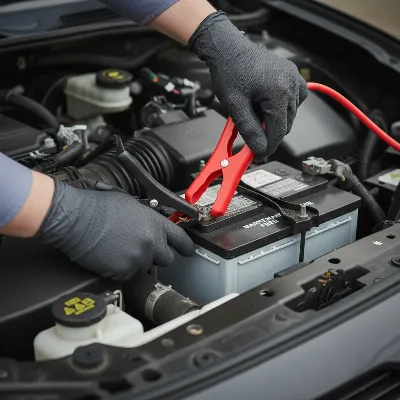 Hands demonstrating correct and safe usage of a jump starter on a car battery.
Tips for Maximizing Your Jump Starter’s Performance
Beyond routine maintenance, a few smart habits can help you get the most out of your jump starter:
- Charge After Every Use: Even if you only use it for a brief moment, fully recharging the unit immediately afterward ensures it’s at peak performance for the next emergency.
- Regular Charge Checks: Make it a habit to check the charge level indicators on your jump starter periodically, especially before long trips or during seasonal changes.
- Cold Weather Considerations: If you live in a cold climate, remember that both your car battery and the jump starter’s internal battery are less efficient in low temperatures. Keeping your jump starter indoors when not in use can preserve its charge and readiness.
- Multi-purpose Use: Don’t just save it for dead batteries! Utilize the USB ports to charge your devices when traveling or camping, getting more value from your investment.
Jump Starter – Frequently Asked Questions
How often should I recharge my jump starter?
It’s recommended to recharge your jump starter after every use. If unused, most manufacturers advise recharging it every three months to maintain its battery health and ensure it’s ready for an emergency.
Can I leave my jump starter in the car?
While convenient, leaving your jump starter in the car is generally not ideal, especially in extreme temperatures. High heat or freezing cold can degrade battery performance and shorten its lifespan. Storing it in a cool, dry place at room temperature is best.
What is the difference between peak amps and cranking amps?
Peak amps represent the maximum burst of power a jump starter can deliver for a fraction of a second. Cranking amps (CA) and Cold Cranking Amps (CCA) measure the sustained power available to crank an engine, with CCA specifically indicating performance at 0°F (-18°C), which is more relevant for real-world starting.
Can a jump starter charge my car battery fully?
No, a jump starter’s primary function is to provide a temporary burst of power to start your engine, not to fully recharge your car’s battery. Once your vehicle is running, its alternator will begin to recharge the car battery.
How do I know what size jump starter I need?
The size of the jump starter (measured in peak amps or cranking amps) you need depends on your vehicle’s engine size and fuel type (gasoline vs. diesel). Generally, smaller gasoline engines require less power (800-1200A), while large diesel trucks may need 2000A or more.
Choosing between a lithium-ion and a lead-acid jump starter ultimately depends on your individual priorities. Lithium models excel in portability, modern features, and long-term charge retention, making them a superb choice for most drivers seeking convenience and reliability. Lead-acid units, while bulkier, can offer a more budget-friendly option with robust, sustained power suitable for heavy-duty applications or specific cold-weather needs. Regardless of your choice, investing in a jump starter is an investment in self-sufficiency and peace of mind on the road. Don’t wait for a dead battery to leave you stranded—equip yourself with the right solution today. Which type of jump starter will you choose to empower your drives?
Frequently Asked Questions
How often should I recharge my jump starter for optimal performance?
It is recommended to recharge your jump starter after every use. If the unit remains unused, most manufacturers advise recharging it at least once every three months to maintain battery health and ensure it's ready for an emergency.
Is it safe to leave my jump starter stored inside my car?
Leaving your jump starter in the car is generally not ideal, especially in extreme temperatures. High heat or freezing cold can degrade battery performance and shorten its lifespan. Storing it in a cool, dry place at room temperature is best for longevity.
What is the key difference between peak amps and cranking amps?
Peak amps represent the maximum instantaneous burst of power a jump starter can deliver for a fraction of a second. Cranking amps (CA) and Cold Cranking Amps (CCA) measure the sustained power available to crank an engine, with CCA specifically indicating performance at 0u00b0F (-18u00b0C), which is more relevant for real-world starting conditions.
Can a portable jump starter fully recharge a dead car battery?
No, a jump starter's primary function is to provide a temporary burst of power to start your engine, not to fully recharge your car's battery. Once your vehicle is running, its alternator will begin the process of recharging the car battery.
How do I determine the correct size jump starter for my vehicle?
The size of the jump starter, measured in peak amps or cranking amps, depends on your vehicle's engine size and fuel type. Smaller gasoline engines typically require 800-1200 Peak Amps, while large diesel trucks may need 2000 Peak Amps or more for effective starting.
How to Safely Use a Portable Jump Starter
Follow these steps to safely and effectively jump start your vehicle using a portable jump starter, ensuring both your safety and the longevity of your equipment.
Ensure both the vehicle's ignition and all electrical accessories, such as lights, radio, and AC, are switched off. This prevents electrical surges and ensures a safer jump-starting process.
Attach the red (positive) clamp of the jump starter to the positive (+) terminal of your dead car battery. Make sure the connection is firm and secure to allow for proper current flow.
Attach the black (negative) clamp to a clean, unpainted metal part of the vehicle's engine block or chassis, away from the battery. This acts as a ground and helps prevent potential sparks near battery gases.
Turn on the jump starter. Some models may have an override button for completely dead batteries. Attempt to start your vehicle; if it doesn't start immediately, wait a minute or two before trying again, following the manufacturer's recommended duty cycle.
Once the vehicle starts, disconnect the black (negative) clamp first, followed by the red (positive) clamp. This order minimizes the risk of sparks and ensures safe removal of the jump starter.

I’ve used a few different jump starters over the years, and the convenience of not needing another car is a game-changer. This unit worked perfectly when my battery died last week. I appreciate the advanced safety features mentioned; it makes me feel more confident using it, especially since I’m not a car expert.
I finally bit the bullet and got a lithium jump starter after my old lead-acid one died. The difference in weight is insane! My old one was a beast to lug around, but this new one is so light, I barely notice it in my trunk. It’s great knowing I won’t be stranded, and the charge retention for 6-12 months is a huge plus for peace of mind.
Got one of these for emergencies. It does the job and started my car when I needed it, which is the main thing. My only complaint is that the cables feel a little short, making it a bit awkward to connect sometimes depending on where the battery is. Still, it’s better than waiting for roadside assistance.
This is such an essential tool for any driver. I used to rely on jumper cables, but having my own portable power source is so much better. The fact that these compact units contain their own power source means I don’t have to bother anyone or wait around. Highly recommend for anyone who wants to be prepared.