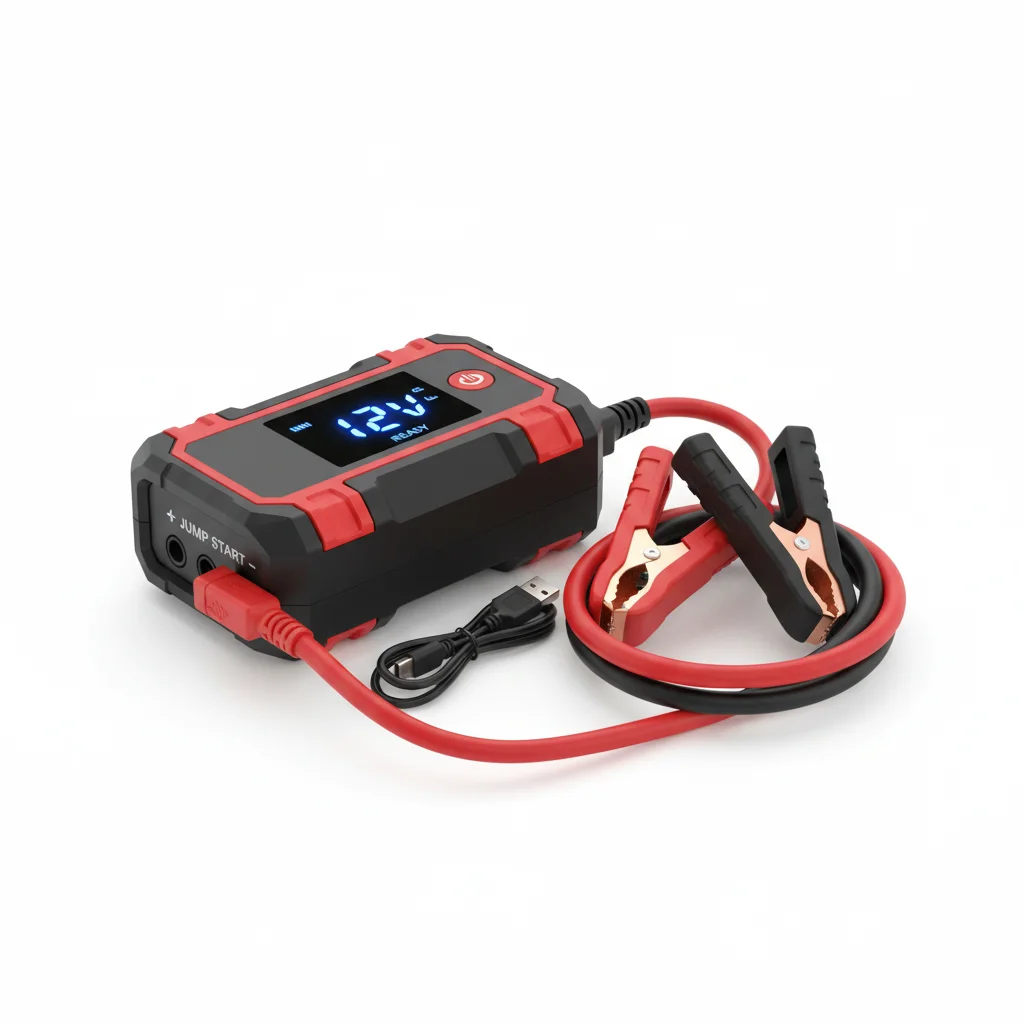
For most motorcycles, a 12-volt jump starter is precisely what you need. While some smaller bikes might use a 6-volt system, the vast majority of modern motorcycles, including cruisers, sport bikes, and touring models, operate on a 12-volt electrical system. Using a jump starter with the correct voltage is crucial to prevent damage to your motorcycle’s sensitive electronics and ensure a successful start.
Understanding Motorcycle Battery Voltage
Motorcycle batteries, like car batteries, are designed to provide a specific voltage. The 12-volt standard is prevalent because it offers sufficient power for starting the engine and running all onboard electrical components, such as lights, ignition, and fuel injection systems. Attempting to jump start a 12-volt system with a 6-volt jump starter will likely be ineffective, while using a jump starter with significantly higher voltage could cause severe damage to the motorcycle’s electrical system, including the ECU and wiring harness.
Why Voltage Matters for Jump Starting
Voltage is the electrical potential difference that drives current through a circuit. When jump starting, you’re essentially providing an external power source to bring the motorcycle’s battery voltage up to a level where it can crank the engine. If the voltage from the jump starter doesn’t match the motorcycle’s system, the current flow will be incorrect, leading to either insufficient power or an overload. Always verify your motorcycle’s battery voltage, usually printed on the battery itself or in the owner’s manual, before connecting any jump starter.
Choosing the Right Jump Starter for Your Motorcycle
|
Our Picks for the Best Jump Starter in 2026
As an Amazon Associate I earn from qualifying purchases.
|
||
| Num | Product | Action |
|---|---|---|
| 1 | Tire Inflator Portable Air Compressor with Digitally Display Pressure Gauge 20000mA, Car Air Compressor Pump with Jump Starter 150PSI, 14.8 V Car Battery Jump Starter Portable |

|
| 2 | Tire Inflator Portable Air Compressor, 12V Car Jump Starter, 150PSI & 28000mAh Air Pump with Air Blower, Digital Pressure Gauge and LED Light, Electric Air Pump for Car, Motorcycle, Balls, Bike Pump |
|
| 3 | Portable Car Jump Starter with Air Compressor for Emergencies,3000A Peak and 150 PSI Max,for 12L Gas & 10L Diesel Engines,LCD Display,LED Light |
|
| 4 | Jump Starter with Air Compressor, 6000A 150PSI Car Battery Jump Starter (10.0 Gas/8.0L Diesel) Battery Jumper Starter Portable 12V Jump Box with Jumper Cables, LED Light, LED Display |
|
| 5 | NOCO Boost X GBX55: 1750A UltraSafe Jump Starter – 12V Lithium Battery Booster Pack, Portable Jump Box, Power Bank & Jumper Cables - for 7.5L Gas and 5.0L Diesel Engines |
|
| 6 | Tire Inflator Portable Air Compressor & Car Jump Starter, Cordless Air Pump with LED Light & Pressure Gauge for Auto,Motorcycles,Bikes,Balls. |
|
| 7 | ANCEL BS200 Super Starter - Permanent Connected Starting System with Super Capacitor, Car Battery Jump Booster & Health Monitor via App, -40℉~176℉ in-Cabin Jump Box for 3.0L Vehicles |
|
| 8 | Roar Pedal Super Capacitor Jump Starter, No Need Pre-Charge No Battery 12V Portable Car Jump Starter for All 12V Gas and Diesel Car, Portable Jump Box with Display |
|
| 9 | KeenPower 6000A Super Capacitor Battery-Less Jump Starter, Built-in 6 * 3000F Supercapacitor, No Traditional Battery |
|
| 10 | NOCO Boost X GBX155: 4250A UltraSafe Jump Starter – 12V Lithium Battery Booster Pack, Portable Jump Box, Power Bank & Jumper Cables - for 10.0L Gas and 8.0L Diesel Engines |
|
When selecting a jump starter for your motorcycle, prioritize models specifically designed for 12-volt systems. Many portable jump starters are versatile enough to handle both cars and motorcycles, but it’s essential to check their specifications. Look for features like reverse polarity protection and spark-proof clamps, which are critical safety measures when working with any vehicle battery. Consider the peak amperage as well; while motorcycles generally require less cranking power than cars, sufficient amps ensure a quick and reliable start.
- Confirm 12-volt output for compatibility.
- Look for compact and lightweight designs for easy storage.
- Ensure it has safety features like reverse polarity protection.
- Check for sufficient peak amps for your motorcycle’s engine size.
- Consider models with additional features like LED lights or USB charging.
Connecting Your Jump Starter Safely
Proper connection is paramount for safety and effectiveness. First, ensure both the motorcycle and the jump starter are turned off. Connect the red (positive) clamp of the jump starter to the positive terminal of your motorcycle’s battery. Then, connect the black (negative) clamp to a good ground point on the motorcycle’s frame, away from the battery and fuel lines. Avoid connecting the negative clamp directly to the negative battery terminal if possible, as this can create sparks near the battery’s hydrogen gas. Once connected, turn on the jump starter and attempt to start your motorcycle.
Maintaining Your Motorcycle Battery
Even with a reliable jump starter, regular battery maintenance can prevent the need for frequent jump starts. Keep your battery terminals clean and free of corrosion. Ensure the battery is fully charged, especially if your motorcycle is stored for extended periods. A trickle charger or battery tender can be invaluable for maintaining optimal charge during off-season storage. Regularly check the battery’s fluid levels if it’s a conventional lead-acid battery. A well-maintained battery will extend its lifespan and reduce the chances of unexpected breakdowns.

Super helpful info on jump starters for motorcycles. I have a touring model and was always confused about what kind of power it needed. The explanation about 12-volt being standard for most modern bikes was exactly what I needed. It’s a solid investment for anyone who rides regularly.
This was a lifesaver! I had a dead battery on my cruiser last week and was about to just call for a tow. After reading about the importance of matching the voltage, I grabbed a 12-volt jump starter. It worked perfectly and saved me a ton of hassle and money. Highly recommend understanding your bike’s needs.
I’ve been riding for years and always worried about getting stranded. This guide really cleared up the voltage question for me. My sport bike definitely needs a 12-volt system, and I picked up one of the recommended models. It’s given me so much peace of mind knowing I won’t fry my electronics trying to get a boost.
Good breakdown of the voltage requirements. I have an older, smaller bike that actually uses a 6-volt system, so I wish there were a few more specific recommendations for those. The focus was heavily on 12-volt, which is fine for most, but not everyone. Still, it’s a good starting point for understanding the basics.