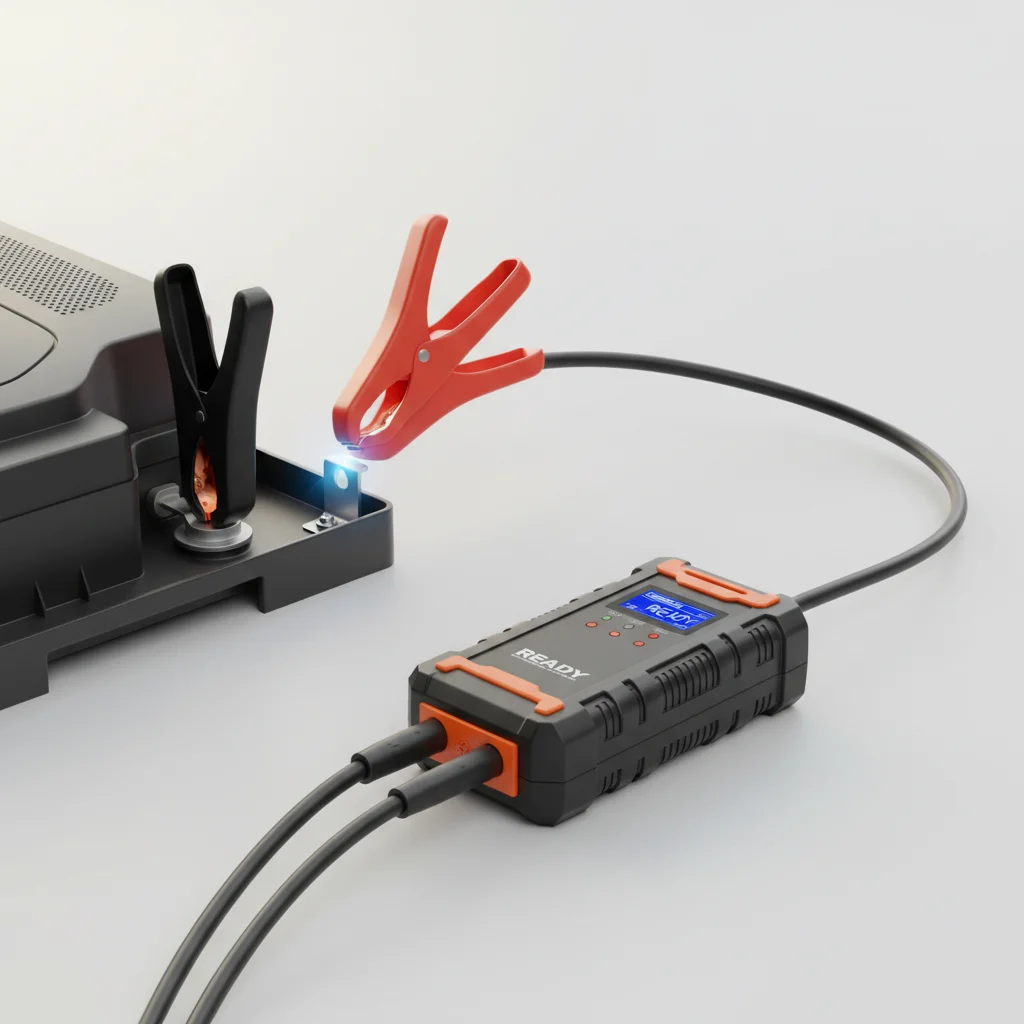
When using a jump starter, maintaining a safe distance from a running engine is crucial to prevent injury from moving parts, heat, and potential sparks. The recommended safe distance is at least 3 feet (approximately 1 meter) from the engine compartment, especially when the engine is actively running or being started. This distance helps mitigate risks associated with battery gases, fan blades, and hot engine components.
Understanding the Risks of Proximity During a Jump Start
Jump starting a vehicle involves connecting two batteries, which can generate sparks, especially if connections are made or broken improperly. Additionally, car batteries can release hydrogen gas, which is highly flammable. A running engine also presents hazards like rapidly spinning fan blades, hot exhaust manifolds, and belts that can cause severe injury if contact is made. Maintaining a safe distance ensures you are out of the immediate danger zone.
Proper Placement of Your Portable Jump Starter
For optimal safety and performance, place your portable jump starter on a stable, flat surface away from the engine’s moving parts and direct heat. Many modern jump starters are compact enough to sit on the ground next to the vehicle or on a secure part of the engine bay, provided it’s clear of hazards. Always ensure the unit is not in a position where it could fall or be knocked over during the jump-starting process. Refer to your specific jump starter’s manual for any brand-specific placement recommendations.
Connecting Cables Safely and Maintaining Distance
|
Our Picks for the Best Jump Starter in 2026
As an Amazon Associate I earn from qualifying purchases.
|
||
| Num | Product | Action |
|---|---|---|
| 1 | NOCO Boost X GBX155: 4250A UltraSafe Jump Starter – 12V Lithium Battery Booster Pack, Portable Jump Box, Power Bank & Jumper Cables - for 10.0L Gas and 8.0L Diesel Engines |

|
| 2 | Portable Car Jump Starter with Air Compressor for Emergencies,3000A Peak and 150 PSI Max,for 12L Gas & 10L Diesel Engines,LCD Display,LED Light |
|
| 3 | KeenPower 6000A Super Capacitor Battery-Less Jump Starter, Built-in 6 * 3000F Supercapacitor, No Traditional Battery |
|
| 4 | Tire Inflator Portable Air Compressor & Car Jump Starter, Cordless Air Pump with LED Light & Pressure Gauge for Auto,Motorcycles,Bikes,Balls. |
|
| 5 | Roar Pedal Super Capacitor Jump Starter, No Need Pre-Charge No Battery 12V Portable Car Jump Starter for All 12V Gas and Diesel Car, Portable Jump Box with Display |
|
| 6 | Jump Starter with Air Compressor, 6000A 150PSI Car Battery Jump Starter (10.0 Gas/8.0L Diesel) Battery Jumper Starter Portable 12V Jump Box with Jumper Cables, LED Light, LED Display |
|
| 7 | NOCO Boost X GBX55: 1750A UltraSafe Jump Starter – 12V Lithium Battery Booster Pack, Portable Jump Box, Power Bank & Jumper Cables - for 7.5L Gas and 5.0L Diesel Engines |
|
| 8 | Tire Inflator Portable Air Compressor with Digitally Display Pressure Gauge 20000mA, Car Air Compressor Pump with Jump Starter 150PSI, 14.8 V Car Battery Jump Starter Portable |
|
| 9 | Tire Inflator Portable Air Compressor, 12V Car Jump Starter, 150PSI & 28000mAh Air Pump with Air Blower, Digital Pressure Gauge and LED Light, Electric Air Pump for Car, Motorcycle, Balls, Bike Pump |
|
| 10 | ANCEL BS200 Super Starter - Permanent Connected Starting System with Super Capacitor, Car Battery Jump Booster & Health Monitor via App, -40℉~176℉ in-Cabin Jump Box for 3.0L Vehicles |
|
The most critical phase for maintaining distance is after the cables are connected and you initiate the jump start. While connecting the cables, you will naturally be closer to the battery terminals. However, once the connections are secure, step back to the recommended 3-foot distance before attempting to start the disabled vehicle. If the vehicle starts, allow it to run for a few minutes before safely disconnecting the cables, starting with the negative terminal on the donor vehicle (if using another car) or the negative terminal on the disabled vehicle when using a portable unit.
- Always wear safety glasses and gloves.
- Ensure both vehicles are turned off before connecting cables.
- Connect positive to positive, then negative to a metal ground point away from the battery.
- Do not lean over the battery during the jump-starting process.
- Keep children and pets away from the vehicles.
What to Do If You Hear Unusual Noises or See Smoke
If you hear unusual noises, smell burning, or see smoke during the jump-starting process, immediately stop and disconnect the cables. This indicates a potential problem, such as incorrect connections, a faulty battery, or an electrical short. Do not attempt to restart the process until the issue has been identified and resolved. Continuing could lead to further damage or a fire. If you are unsure, it’s always best to call for professional roadside assistance.
Post-Jump Start Precautions and Next Steps
After a successful jump start, allow the vehicle to run for at least 15-20 minutes to give the alternator time to recharge the battery. If the vehicle struggles to start again shortly after, it may indicate a deeper issue with the battery or charging system. Consider having your battery and alternator tested by a professional. Always store your jump starter in a cool, dry place and recharge it as recommended by the manufacturer to ensure it’s ready for future use.
